Diet Against Crohn’s Disease
Not eating enough fruits, vegetables and fiber is associated with a greater risk of developing Crohn’s disease. So, what happens when you eat more?
Cutting Edge Research Made Easy
by Linda Woolven, B.A., Master Herbalist, Acupuncturist and Ted Snider, B.Ed., M.A.

Not eating enough fruits, vegetables and fiber is associated with a greater risk of developing Crohn’s disease. So, what happens when you eat more?

It seems to go against everything you’ve been told, but eating more chocolate–as long as it’s dark chocolate–can actually prevent diabetes.

Plant-based diets are good for you for lots of reasons. Here’s a new one that women will want to pay attention to!

Colorectal cancer rates are increasing significantly, especially in countries that follow or have adopted a Western lifestyle and diet. It is the second most common cancer in men and the third most common in women. A new review highlights the important role vitamin D can play in correcting this concerning problem.
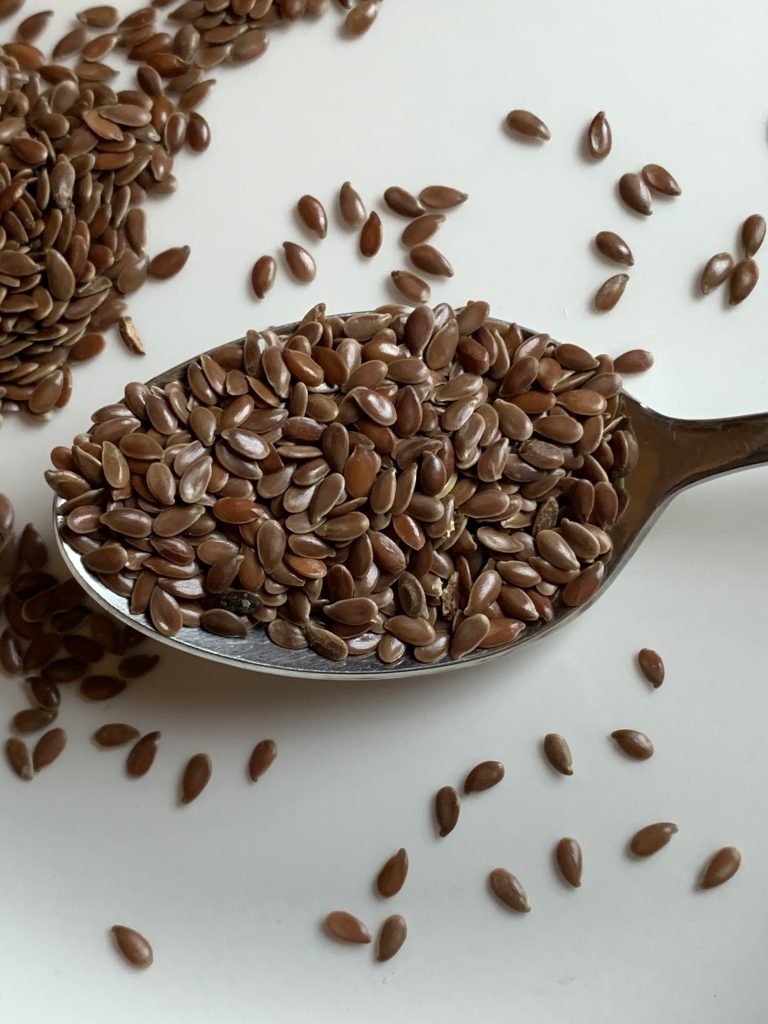
If you have diabetes, and your medication is not doing what you hoped, then adding flaxseeds may make all the difference.

Gastric cancer is the fifth most common cancer in the world and fourth most common cause of cancer death. Colorectal cancer is the third most common cancer in the world and the second leading cause of cancer death. That’s a lot, so any help is important. Help could come from garlic.

Avocados may not only be good for you, they may be good for your baby.

The ancient doctrine of signatures believed that natural remedies resembled the body part they treated. Walnuts look like a brain. Could walnuts improve brain function? Chalk one up for the doctrine of signatures.
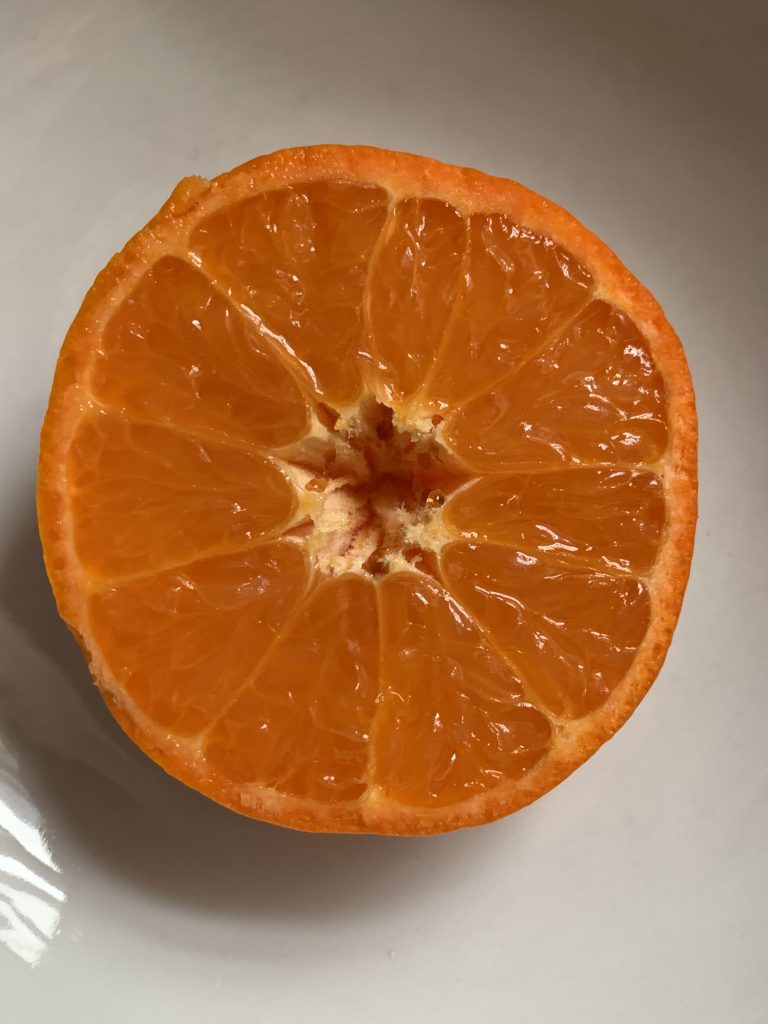
A surprising new study shows that a small, but delicious, change in diet can dramatically reduce the risk of depression.

If you’ve had a stroke, cutting back on salt may reduce your risk of having another one.

Metabolic syndrome increases the risk of cardiovascular disease and type 2 diabetes. It is associated with increased risk of death. Though a crazy number of people now suffer from it, a simple dietary change might make a big difference.

You can’t slow down time, but you might be able to slow down the effect of time on your body. The clock won’t stop, but what you eat might slow down aging.