A Novel Way Curcumin Helps Diabetics
Curcumin has been shown to be an important natural supplement for diabetics. This new study adds a whole new reason why.
Cutting Edge Research Made Easy
by Linda Woolven, B.A., Master Herbalist, Acupuncturist and Ted Snider, B.Ed., M.A.
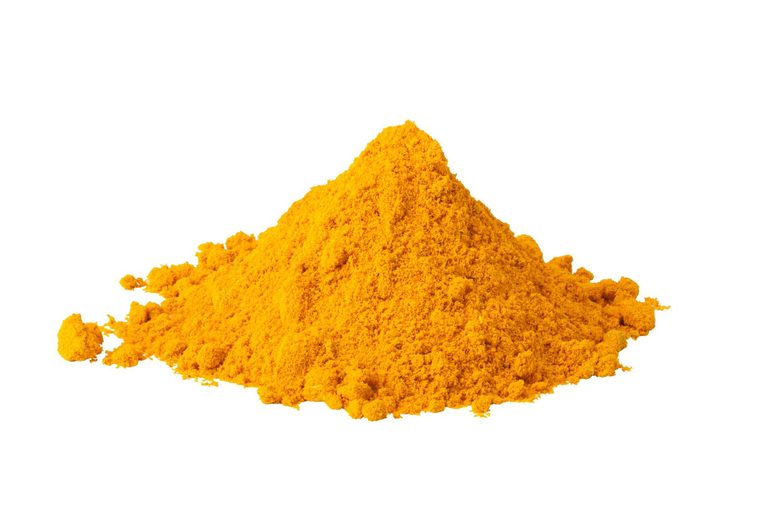
Curcumin has been shown to be an important natural supplement for diabetics. This new study adds a whole new reason why.

You knew that antibiotics can harm the diversity of the intestinal microbiota and disrupt the important balance of good and bad bacteria. But this very important new study shows that consuming sugar during antibiotic therapy intensifies the effect and makes things even worse.

Want to sleep better at night? Then eat better during the day!
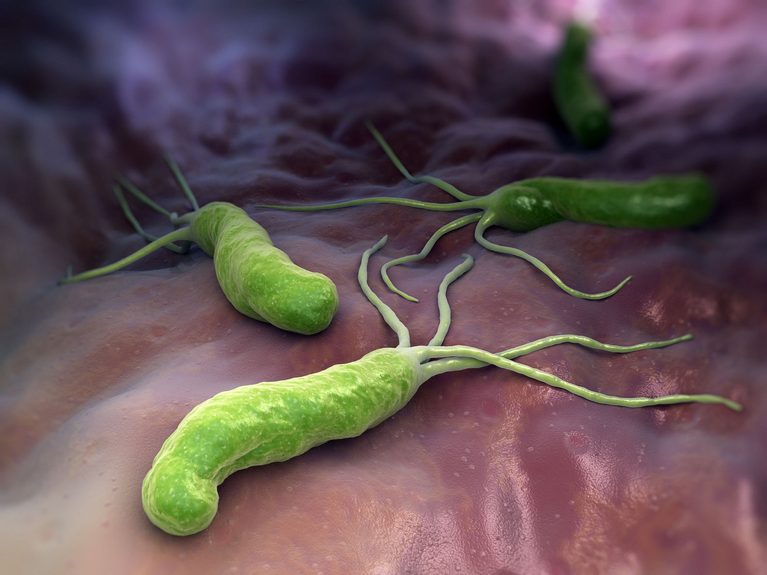
H. pylori is the most important cause of peptic ulcers. The conventional approach to eradicating it has proven problematic. A natural supplement may provide the answer.
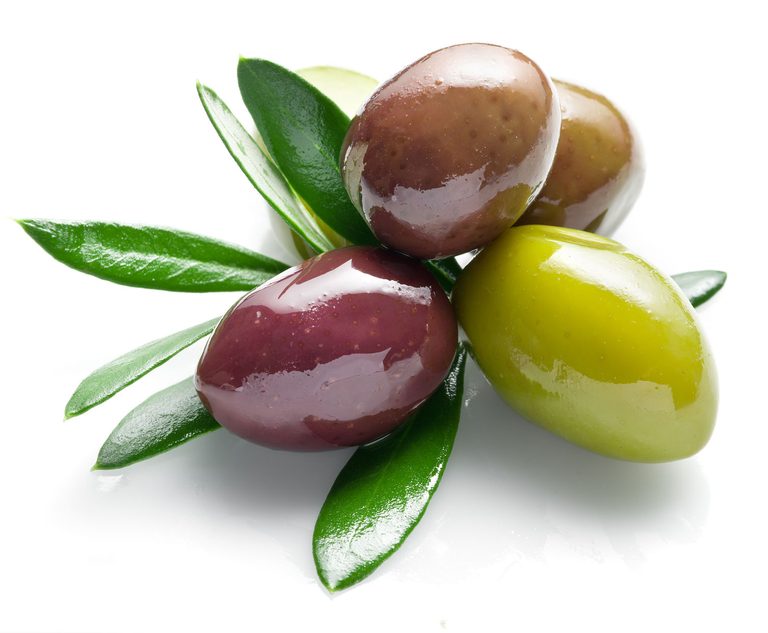
Though less famous than olives and olive oil, olive leaves contain way more of the beneficial phenolic compounds and may be even better for your heart.

For some, varicose veins are a cosmetic concern; for others, they can be a serious health concern. Nature can offer help in the form of antioxidant rich grape seed extract.

Many diets are hard to maintain because they require you to eat less. Instead, this diet asks you to change the foods you eat while allowing you to eat as much as you want: delicious, filling and effective!
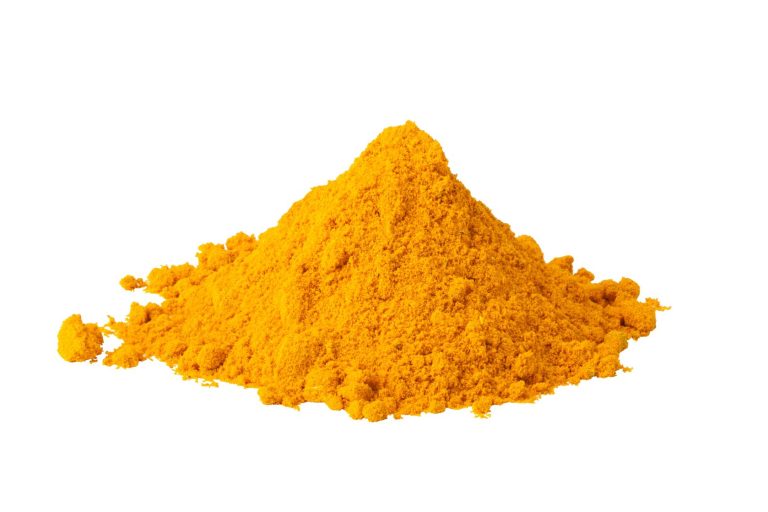
Schizophrenia is a serious mental health condition. But it is often misunderstood and misrepresented. There is more to schizophrenia than hallucinations. And that’s where curcumin could come in.

As science discovers lifestyle patterns that prevent dementia, you might want to take advantage of all of them. Research is moving from single nutrients to dietary patterns. This dietary pattern is one you should know about.

If you are suffering from insomnia, this study suggests that saffron can do much more than help you sleep.
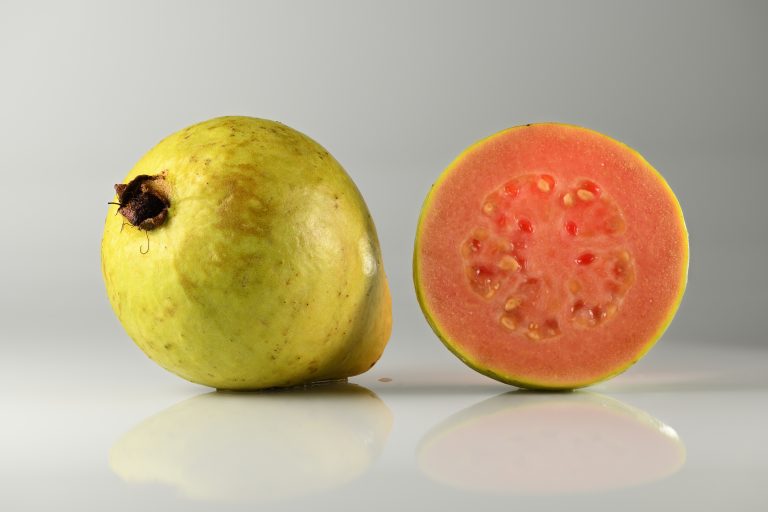
You wouldn’t know it from the amount of attention it gets, but 39.5% of non-pregnant women and 45% of pregnant women worldwide are anaemic. Preliminary research suggests that a simple fruit can help.

The problem with diabetes is that it doesn’t stop with diabetes. It can lead to important complications like cardiovascular, kidney and liver disease. This meta-analysis set out to see if saffron can help.