Vitamin D Improves Cognition in At Risk Population
The scientific evidence for the benefits of vitamin D for dementia and Alzheimer’s is rapidly accumulating. This new study adds even more.
Cutting Edge Research Made Easy
by Linda Woolven, B.A., Master Herbalist, Acupuncturist and Ted Snider, B.Ed., M.A.

The scientific evidence for the benefits of vitamin D for dementia and Alzheimer’s is rapidly accumulating. This new study adds even more.
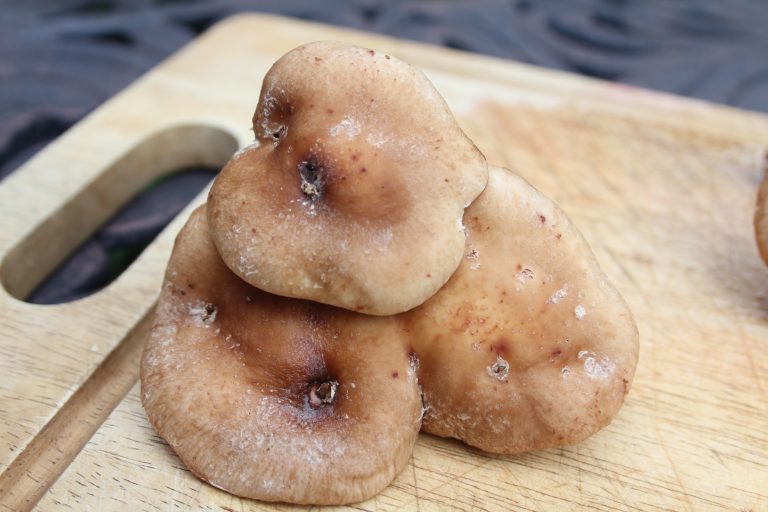
Cognitive decline is common in older people. A still little discussed nutrient found in mushrooms, ergothioneine, might help.
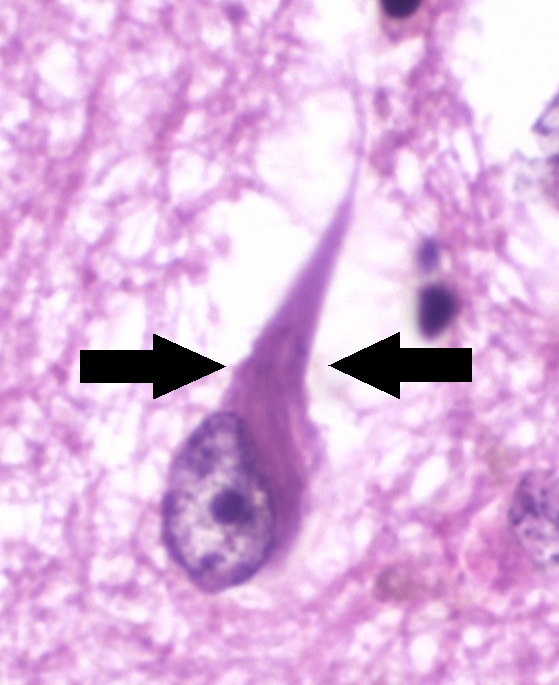
An innovative new study provides a mechanism by which getting more vitamin D earlier in life might help prevent Alzheimer’s disease later in life.

Elevations in blood sugar, insulin and inflammation after eating is increasingly being linked to elevated risk of cardiovascular disease, diabetes and cognitive impairment. This new single-blind study hints that raspberries can help.

There is more and more evidence that healthy diet can reduce the risk of cognitive decline and dementia. Recent research has suggested that getting more anthocyanins, a kind of flavonoid antioxidant, in your diet can prevent cognitive decline. This meta-analysis put the claim to the test.
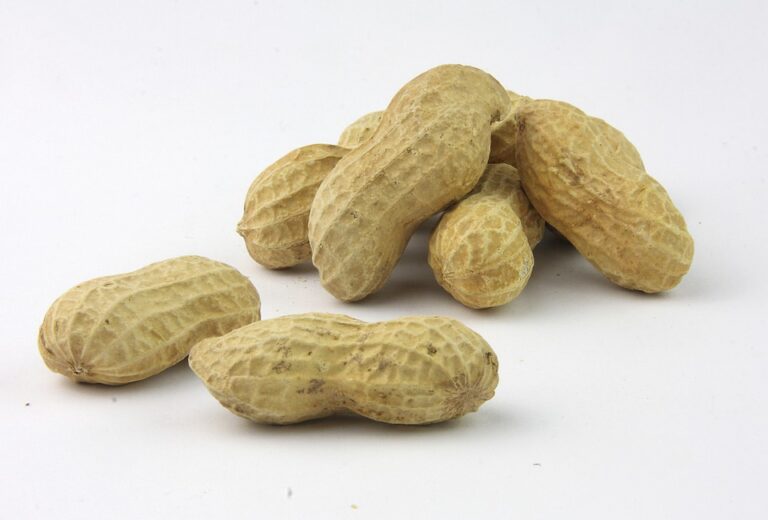
Peanuts get a lot of bad press. Here’s some really good press. Eating peanuts improves your memory, and now we might know why.

Many seniors feel the effects of cognitive decline that impact their quality of life. New research is showing that a simple healthy fat can help.

Mango is appreciated as a fruit, but it is little known as a botanical medicine. This new study on cognition may change that.

Want to be smarter? What if a simple cup of herbal tea could do the trick? Turns out, maybe it can!

The ancient doctrine of signatures believed that natural remedies resembled the body part they treated. Walnuts look like a brain. Could walnuts improve brain function? Chalk one up for the doctrine of signatures.

There is no effective pharmaceutical treatment for the cognitive decline that comes with old age. But there may be a natural one!

Ashwagandha is a remarkable herb for stress and anxiety. Emerging research is suggesting that it might also be valuable for cognition. This new study put both to the test.