Are You Prediabetic? Cinnamon to the Rescue!
Prediabetes is rampant. Stopping it from progressing to diabetes is crucial. Something as simple as cinnamon can help.
Cutting Edge Research Made Easy
by Linda Woolven, B.A., Master Herbalist, Acupuncturist and Ted Snider, B.Ed., M.A.

Prediabetes is rampant. Stopping it from progressing to diabetes is crucial. Something as simple as cinnamon can help.
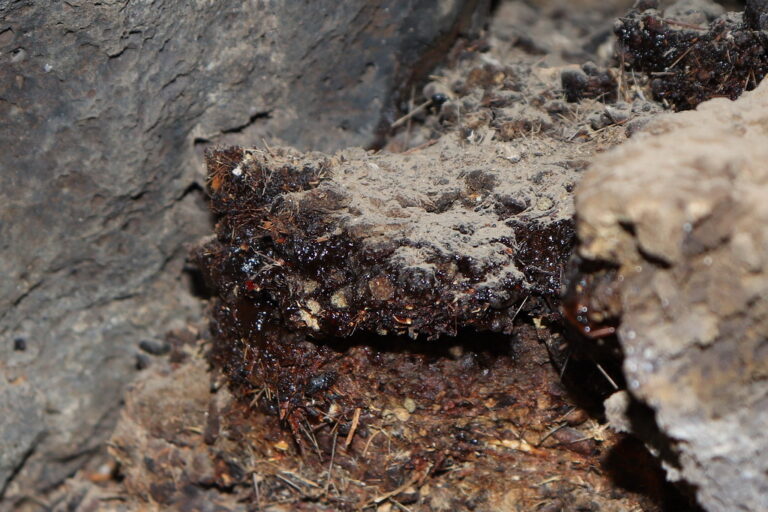
This exotic natural supplement increases collagen synthesis, which is good news for your body.

If you workout, you may get a better and healthier workout if you add ginseng to your regimen.

Do you ever feel like you had a pretty good night’s sleep but wake up feeling lousy and unrefreshed anyway? So do lots of people. It’s called non-restorative sleep. It can wreck your day. But there’s a solution.

The discovery that a simple iron supplement might protect against celiac disease is important to a lot of people because celiac disease is becoming more and more common.
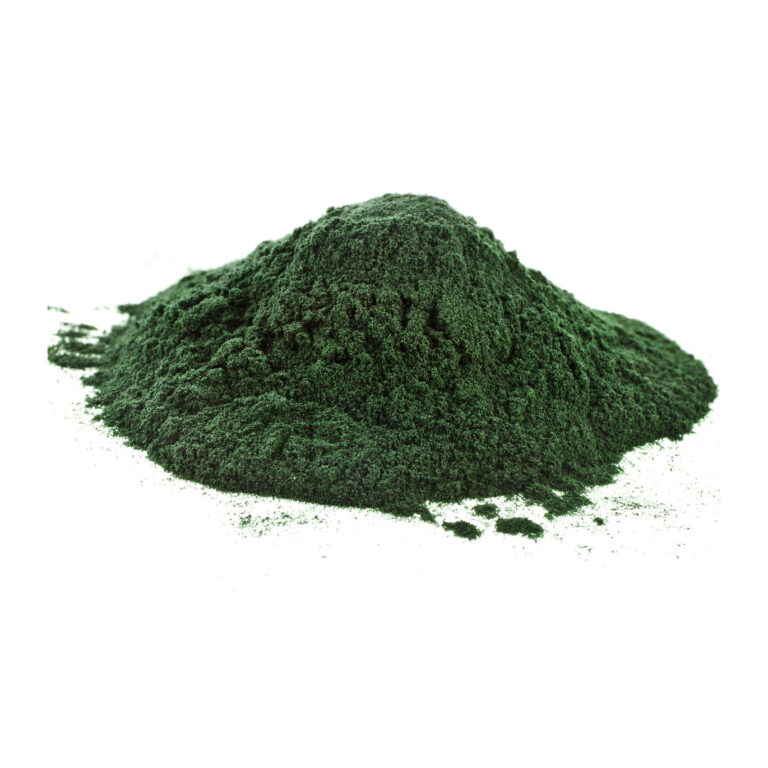
This single-cell algae may be one of the tiniest natural supplements in the world, but its powers are huge. And this new review of the research suggests that people at risk of diabetes or heart disease might benefit from those huge powers.

Garcinia cambogia is best known as a weight loss herb. But this new study stretches its benefits. Garcinia improves, not only body fat, but blood fats.

If you’ve been exposed to COVID, taking probiotics may help prevent you from developing symptoms.

Since being overweight is an important risk factor for diabetes, a herb that prevents diabetes in overweight people would be an important discovery.

More and more people are experiencing depression. A growing body of research is suggesting that increasing a very safe, simple nutrient can help. This new study just convincingly added to the evidence.

Being diabetic and overweight is a very bad combination for cardiovascular disease. Drinking green tea can help.

Fenugreek is a powerful antidiabetic herb. It may be just the thing to add if your meds just aren’t cutting it.