Vitamin D Improves Cognition in At Risk Population
The scientific evidence for the benefits of vitamin D for dementia and Alzheimer’s is rapidly accumulating. This new study adds even more.
Cutting Edge Research Made Easy
by Linda Woolven, B.A., Master Herbalist, Acupuncturist and Ted Snider, B.Ed., M.A.

The scientific evidence for the benefits of vitamin D for dementia and Alzheimer’s is rapidly accumulating. This new study adds even more.

As science discovers lifestyle patterns that prevent dementia, you might want to take advantage of all of them. Research is moving from single nutrients to dietary patterns. This dietary pattern is one you should know about.

Lutein and zeaxanthin are crucial for cognition, but we often don’t get enough of them in our diet, since many of us don’t eat enough fruits and vegetables. A new study shows that when teenagers supplement those two carotenes, it has a very positive impact on their cognition.

Saffron has established itself as a leading herb for mental health, benefitting everything from depression and anxiety to insomnia, Alzheimer’s, OCD and ADHD. Now, a massive review of systematic reviews and meta-analyses on saffron’s effect on neurological and psychiatric disorders has reinforced the evidence.

Cognitive decline is common in older people. A still little discussed nutrient found in mushrooms, ergothioneine, might help.
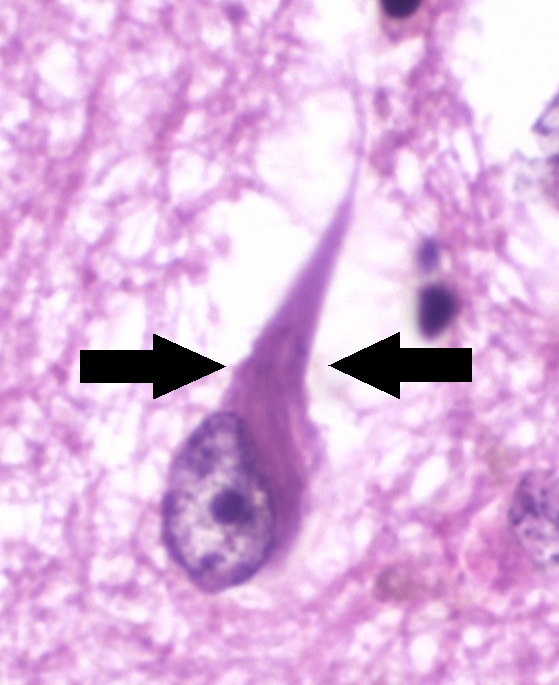
An innovative new study provides a mechanism by which getting more vitamin D earlier in life might help prevent Alzheimer’s disease later in life.

Elevations in blood sugar, insulin and inflammation after eating is increasingly being linked to elevated risk of cardiovascular disease, diabetes and cognitive impairment. This new single-blind study hints that raspberries can help.

Ashwagandha seems to do everything. And a new study says that it does it safely.

There is more and more evidence that healthy diet can reduce the risk of cognitive decline and dementia. Recent research has suggested that getting more anthocyanins, a kind of flavonoid antioxidant, in your diet can prevent cognitive decline. This meta-analysis put the claim to the test.
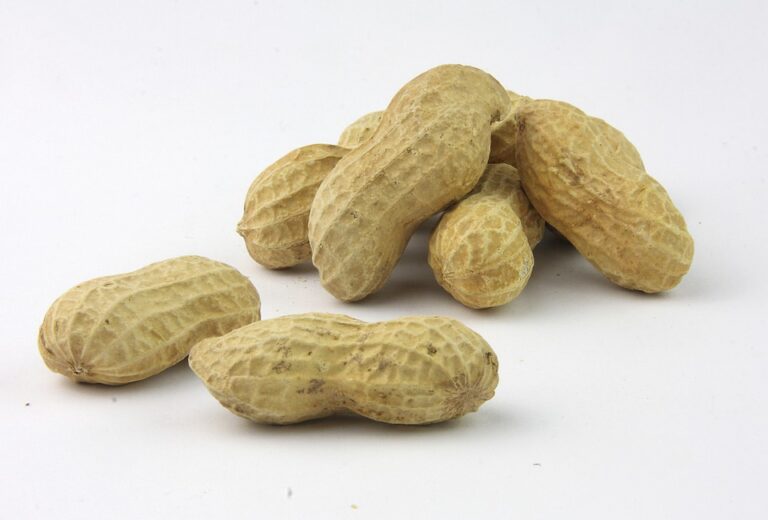
Peanuts get a lot of bad press. Here’s some really good press. Eating peanuts improves your memory, and now we might know why.

Many seniors feel the effects of cognitive decline that impact their quality of life. New research is showing that a simple healthy fat can help.

Kids with attention deficit hyperactivity disorder (ADHD) can struggle with inattention, hyperactivity and impulsivity. It can affect cognition and memory and make life and school more challenging. A simple, gentle herb can help.