Relaxing High Blood Pressure with Lavender Essential Oil
Is it possible that something as simple as lavender aromatherapy could significantly help people with high blood pressure? Yup!
Cutting Edge Research Made Easy
by Linda Woolven, B.A., Master Herbalist, Acupuncturist and Ted Snider, B.Ed., M.A.
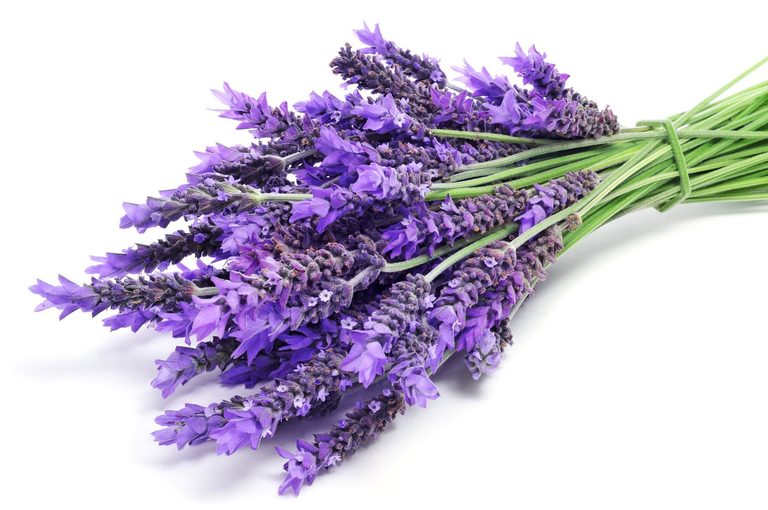
Is it possible that something as simple as lavender aromatherapy could significantly help people with high blood pressure? Yup!

Want to sleep better at night? Then eat better during the day!
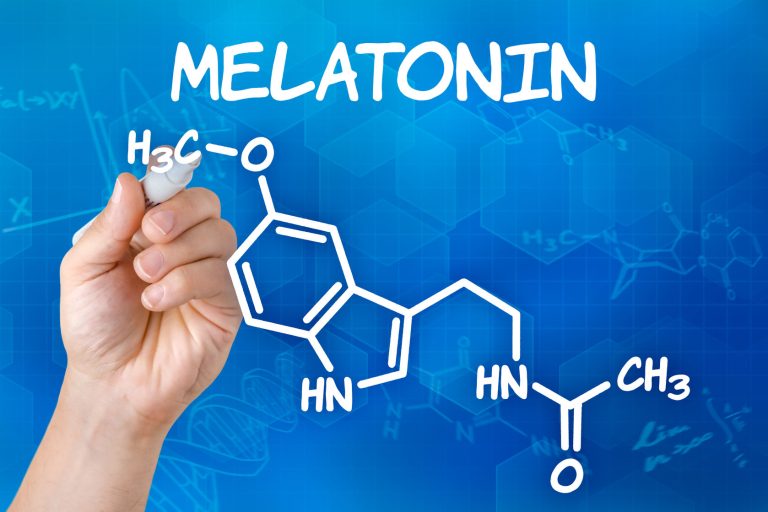
You know melatonin as a hormone secreted by the human pineal gland. But a surprising discovery is that there is a plethora of plant sources of melatonin.
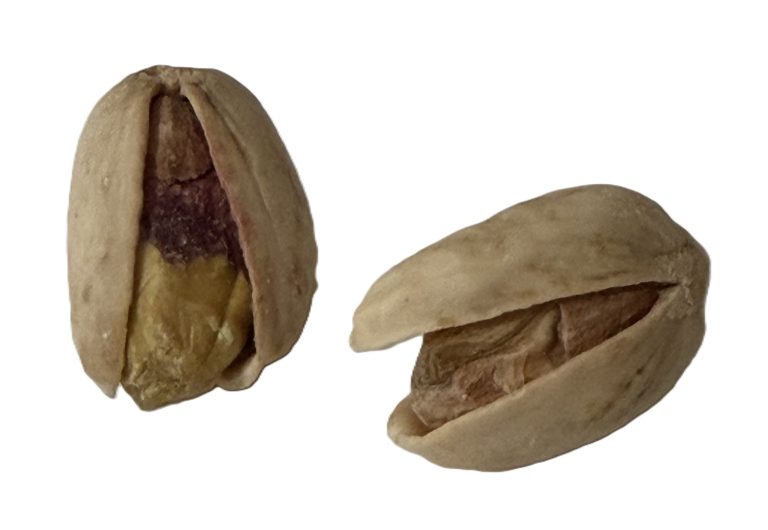
A surprising discovery is that several plants and herbs are natural sources of melatonin, a hormone that, in humans, is produced in the pineal gland. One of those natural sources in pistachio. How well does it work for sleep?

As if depression isn’t bad enough, it often comes with insomnia and low self-esteem. Is saffron powerful enough to help all three?

If you are suffering from insomnia, this study suggests that saffron can do much more than help you sleep.

Saffron has established itself as a leading herb for mental health, benefitting everything from depression and anxiety to insomnia, Alzheimer’s, OCD and ADHD. Now, a massive review of systematic reviews and meta-analyses on saffron’s effect on neurological and psychiatric disorders has reinforced the evidence.

Fruits and berries get all the attention. But every once in a while, the leaf emerges from the shadows and gets the spotlight, as in olive leaf extract and raspberry leaf tea. Meet the leaf of the blueberry bush.
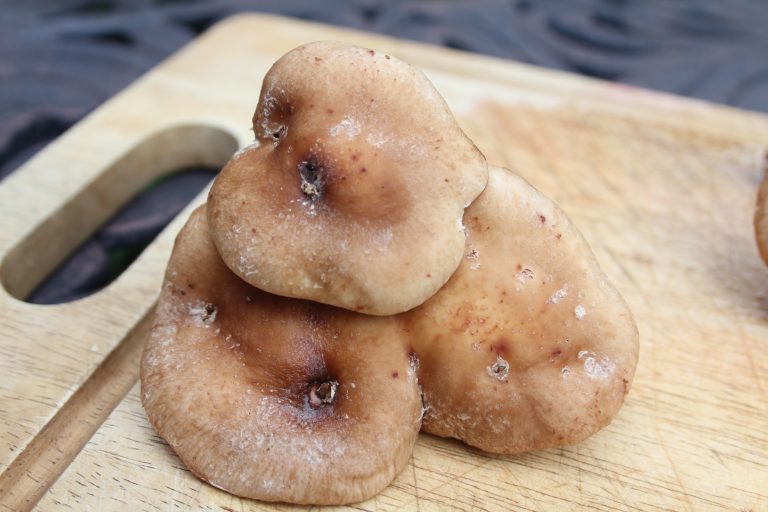
Cognitive decline is common in older people. A still little discussed nutrient found in mushrooms, ergothioneine, might help.

A flurry of recent research is highlighting an important new herb for menopause.

Around one in three adults report having some degree of insomnia. A new study shows that putting these two powerful sleep herbs together can help.
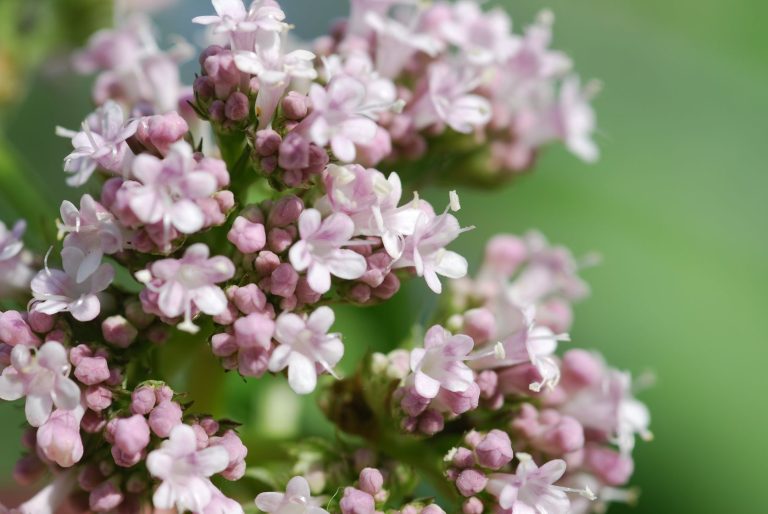
You already know that valerian works when it comes to helping you sleep. But you may be surprised both how well it works and how fast!