Mulberry: New Herbal Help for Alzheimer’s
Though not yet very well known, the science behind this powerful berry is starting to pile up. And in that pile, there is suggestive evidence that mulberry might help Alzheimer’s/
Cutting Edge Research Made Easy
by Linda Woolven, B.A., Master Herbalist, Acupuncturist and Ted Snider, B.Ed., M.A.

Though not yet very well known, the science behind this powerful berry is starting to pile up. And in that pile, there is suggestive evidence that mulberry might help Alzheimer’s/

Anxiety and depression are the most common mental health problems and becoming even more common. Both can seriously affect quality of life. This very exciting herb can help both and improve quality of life.

Since dementia later in life is so hard to reverse, stopping it in your tracks while your young is a crucial strategy. Surprisingly, strawberries might help.

For many people struggling through depression, antidepressants aren’t enough to do the job. Adding L-theanine, an amino acid in green tea, may be the natural boost you need.

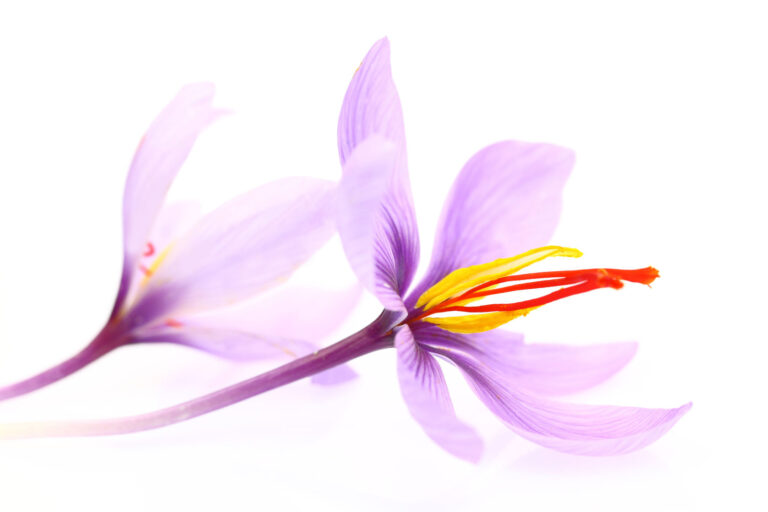
If you’re struggling to lower your cholesterol, this beautiful flower, taken as a herb, could be the answer for you.

Parkinson’s disease affects at least 1% of people over 60 around the world. New research points to something safe and natural that just might help all those people.

Around the world, cases of depression are rising. Sipping a tea made from two beautiful flowers can help.

As if cancer weren’t bad enough, the conventional treatment for cancer very often leads to quality of life threatening complications. New research reveals that there is a gentle, natural herb that offers broad spectrum help.

Test anxiety is ridiculously common, preventing kids from attaining their best results. There may be a safe and ridiculously simple natural solution.

Believe it or not, two new studies show that this beautiful herb can make you happy!

For many people struggling with depression, drugs don’t do enough. For many of those people, adding a simple vitamin may make all the difference.

The word “depression” starts with D, but actual depression may start without it. See how the new research may help you prevent and treat depression.