The Problem with Salt. A New Reason Not to Add Salt.
You knew that adding salt is bad for cardiovascular disease. But did you know it is bad for liver disease too? Here’s one more reason not to add salt.
Cutting Edge Research Made Easy
by Linda Woolven, B.A., Master Herbalist, Acupuncturist and Ted Snider, B.Ed., M.A.

You knew that adding salt is bad for cardiovascular disease. But did you know it is bad for liver disease too? Here’s one more reason not to add salt.

It seems impossible, but more than half the calories in our diet come from ultra-processed food. We eat more fake food than real food!

Not eating enough fruits, vegetables and fiber is associated with a greater risk of developing Crohn’s disease. So, what happens when you eat more?

Aggressive behaviour is an important societal problem that is often blamed on mental illness and treated with drugs that carry unwanted side effects. But what if aggressive behaviour can be partially reduced with a simple nutritional supplement?

The drug levodopa is the foundation for the conventional treatment of Parkinson’s disease. Surprisingly, this bean is a natural source of levodopa.

It seems to go against everything you’ve been told, but eating more chocolate–as long as it’s dark chocolate–can actually prevent diabetes.

Tragically, rates of suicide are increasing. Could something as simple as vitamin C help prevent thoughts of suicide?
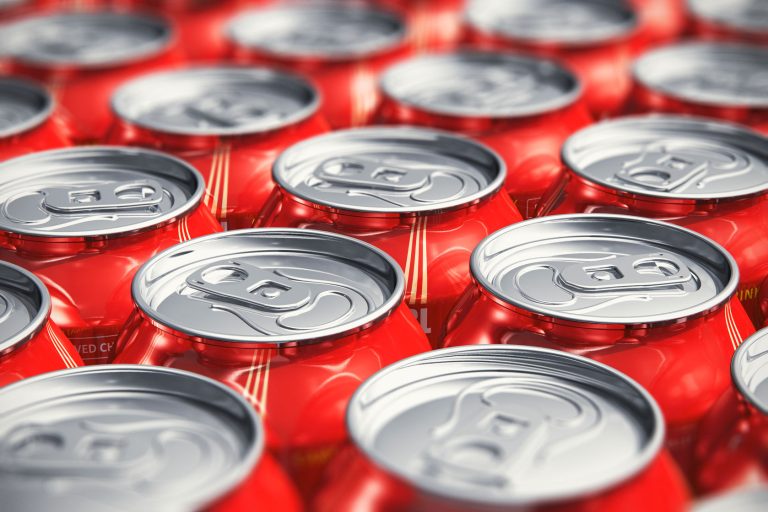
A new study challenges the common belief that diet soda is just fine for weight loss and diabetes. It’s not!
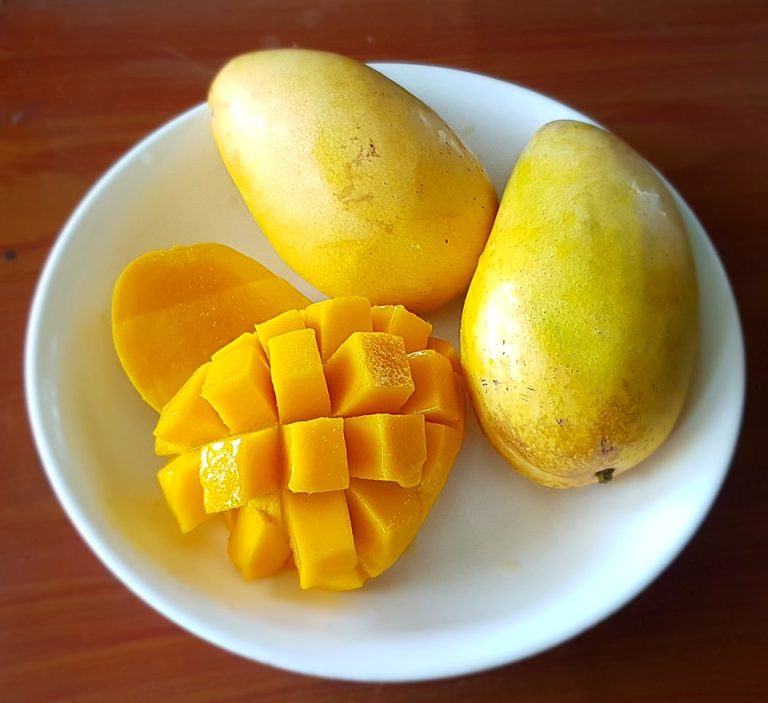
Mango is appreciated as a fruit, but it is little known as a botanical medicine. This new study on cognition may change that.

Plant-based diets are good for you for lots of reasons. Here’s a new one that women will want to pay attention to!

There is a big difference between your chronological age and your biological age, and your biological age may be modifiable by the choices you make. Choosing to take this supplement may lower your biological age and add three years to your life!

Cardiovascular disease is staggeringly common in North America, and it is the leading cause of death worldwide. Though not commonly thought of as a heart nutrient–in fact, not commonly thought of enough at all–getting adequate selenium could help.