Shatavari Makes Life Easier for Perimenopausal Women
You hear more about menopause than perimenopause. But perimenopause can also mess up your quality of life. A herb that is gathering impressive scientific evidence may help.
The period of transition into menopause, called perimenopause, is characterized by changing hormones and longer times between periods. Like menopause, perimenopausal women often experience hot flashes and night sweats. These symptoms can then affect sleep, mood and quality of life.
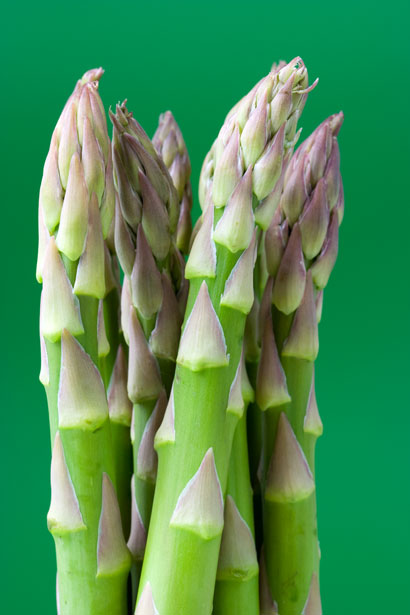
Asparagus racemosus, or wild asparagus, is in the same family as, but distinct from,
the Asparagus officinalis that we eat. In traditional herbalism, the most valued part
of the plant is the root, which is known in the traditional Ayurvedic system of healing
as shatavari.
Still not well known in the West, shatavari is accumulating an impressive body of research as an impressive herb for menopause and perimenopause. In Ayurvedic medicine, it is considered an adaptogenic herb that shines for its ability to maintain female reproductive health. Shatavari contains phytoestrogens and seems to have progesterone enhancing and estrogen mimicking properties.
This new 8-week, double-blind study included 73 perimenopausal women between the ages of 40 and 55 who were experiencing symptoms like hot flashes, insomnia, migraine or irritability.
Half were given 300mg of standardized shatavari root extract standardized for at least 10% shatavarins and half were given a placebo after breakfast.
By the end of the study, the women in the shatavari group had significantly greater improvement on the Menopause Rating Scale total score with a 12.54 point reduction versus 1.61 on placebo. There was significantly greater improvement in all domains, including physical, which improved by 4.24 points versus getting worse by 0.36 on placebo; psychological, which improved by 4.65 points versus 0.75 points on placebo; and urogenital, which improved by 3.65 versus 1.22.
Shatavari also produced significantly greater improvement in menopausal quality of life.
The POMS scale measures mood and emotional well being. Scores for fatigue and vigor improved significantly more in the shatavari group. And while stress continued to worsen on a scale of perceived stress in the placebo group, it improved significantly in the shatavari group.
The news was just as good when it came to hot flashes. Already improving by week 4, by the end of the study there was significantly greater reduction in hot flashes in the shatavari group.
There were no adverse events: important when considering treatments for perimenopause and menopause.
This study adds to the growing body of research that demonstrates that shatavari seems to be an important herb for women going through perimenopause.
Int J Womens Health. 2025 Nov 3;17:4057–4073.
For the latest research to keep you and your family healthy, get The Natural Path delivered to your inbox each month for only $29.99 a year: Subscribe!
For much more on treating menopause naturally, see our book The Family Naturopathic Encyclopedia.
For comprehensive natural help with your health, including perimenopause and menopause, make an appointment to see Linda Woolven now. Linda’s clinic is now open for in person and virtual appointments.
The Natural Path is intended for educational purposes only and is in no way intended for self-diagnosis or self-treatment. For health problems, consult a qualified health practitioner for a comprehensive program.
Ask your health food store for The Natural Path Newsletter